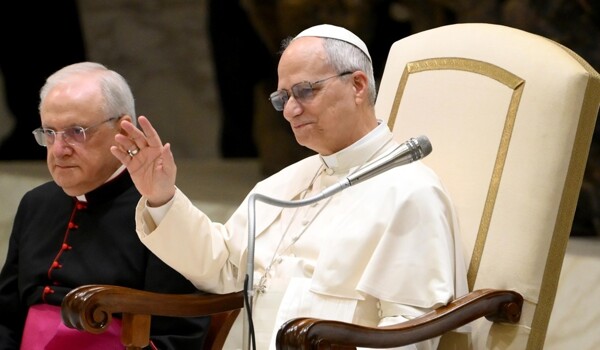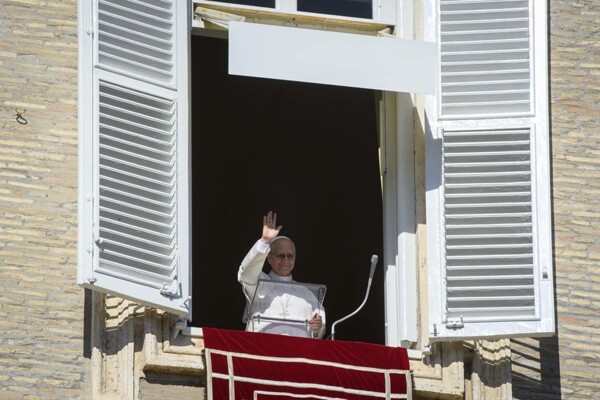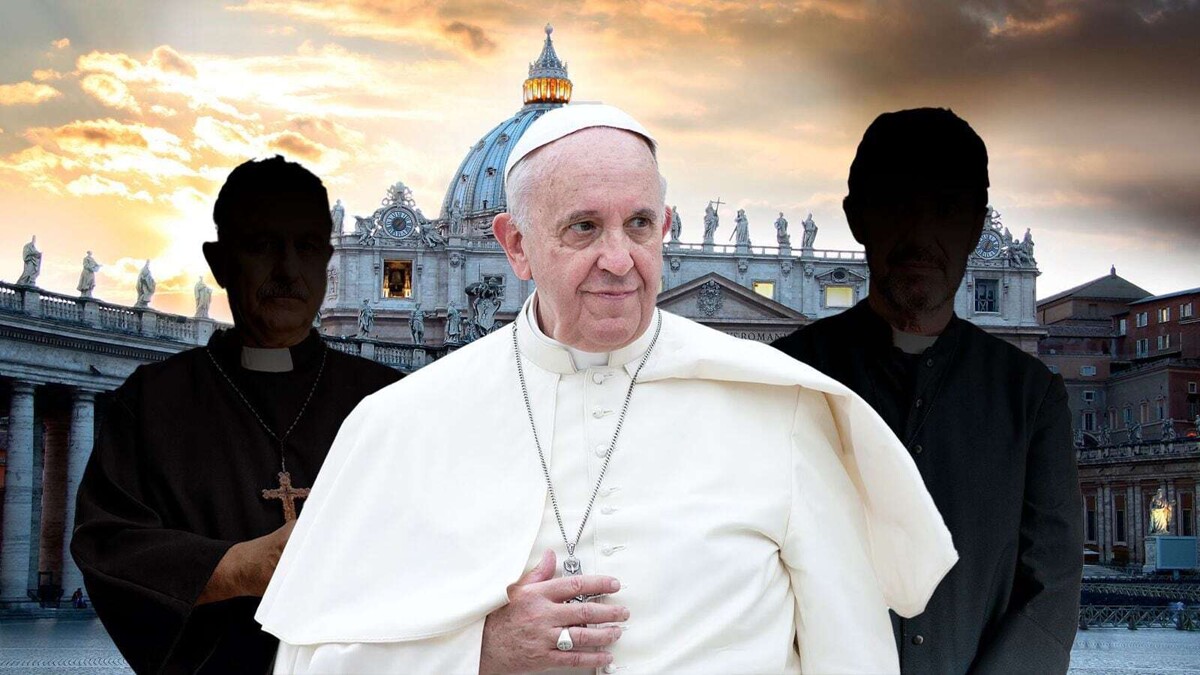
In the event of a Pope's resignation or passing, the responsibility of leading the Catholic Church falls to the College of Cardinals, as was the case with Benedict XVI. The cardinals, including Cardinal Pietro Parolin, who leads the Secretariat of State, oversee fundamental political and religious aspects of the Church.
Daniel Speed Thompson mentioned that, despite 2000 years of history, the Catholic Church faces immoral and corrupt acts in the Vatican. Still, the cardinals are limited in terms of doctrinal changes and previous papal decisions. Pope Francis has implemented measures against corruption, criticizing priests and bishops who consider themselves superior.
The Camerlengo, currently Kevin Joseph Farrell, is essential during the Vacant See period, managing diplomatic relations and overseeing the Vatican's diplomatic corps. Other key cardinals in the Curia are Víctor Manuel Fernández and Robert Prevost, responsible for doctrinal matters and bishops respectively.
The papal Curia ensures the continuity of the essential functions of the Catholic Church in the absence of the Pope. The College of Cardinals organizes funerals and prepares the conclave. The Church continues its daily activities but cannot make major decisions without the Pope. Cardinals and administrators are required to comply with financial and ethical regulations.
The Camerlengo, in addition to other responsibilities, organizes the election of the new Pope in the event of death. Recently, Pope Francis has made salary cuts for clergy and nuns in pursuit of more efficient resource management. Currently hospitalized, the health of the Supreme Pontiff remains stable.
In the Vatican, the management of resources is not comparable to that of a modern state or large corporations. The Vatican City employs approximately 2,000 people and has a budget of 835 million dollars. The world is closely watching the evolution of Pope Francis's health as he remains hospitalized.