After the experiment of Benedict XVI, who sought to return the Church to tradition, came Francis, the pope of populism. The cardinals must now choose their leader, who will likely face the crisis in this political manner. But these were antiliberal times, so the next was Pius XII, also conservative, and thus weak against dictators.
John XXIII is remembered as a transformative pope, during a time (1958-1963) of revolutions, while Paul VI (1963-1978), moderately conservative, leads the Church as Europe shifts to the right. I believe the election of the new pope is truly important. The cardinals choose popes who are not strangers to what is happening in the Christian world.
He was followed by another conservative, Pius X, who died just before the start of World War I, when Benedict XV, more flexible, was pope. Things fell apart again, especially in the 14th century, when the papacy was moved to France (Avignon) and there were years without a pope, years with two popes, and even a moment when three popes were vying for the seat.
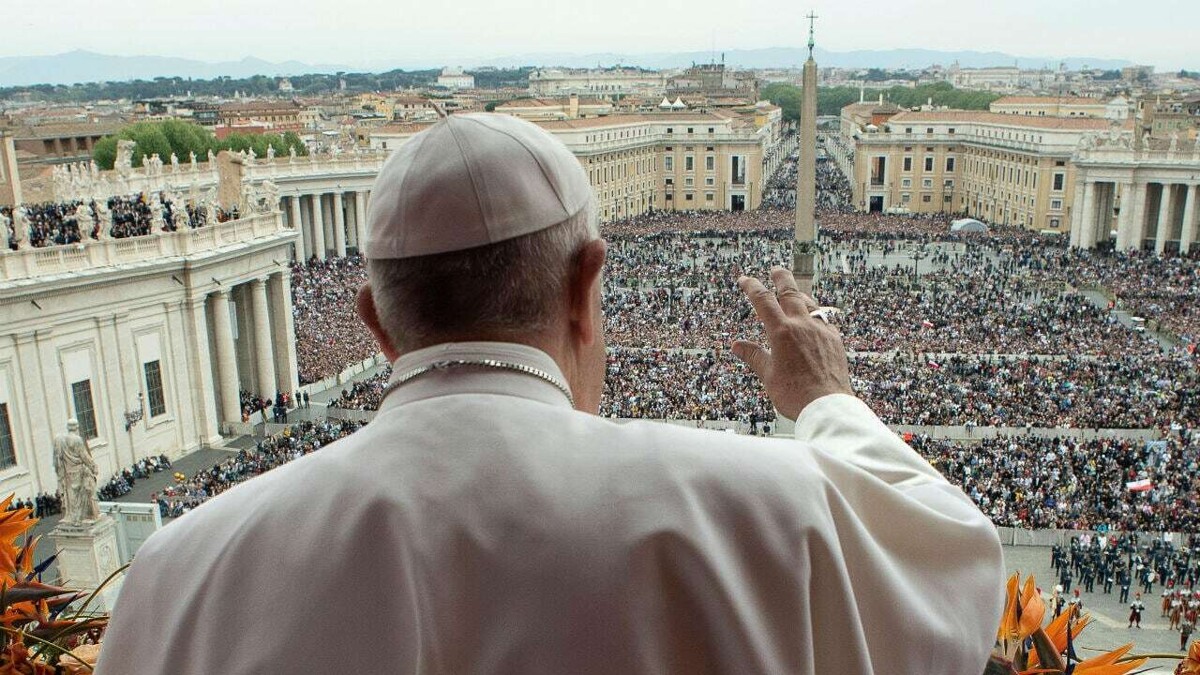
The pope is not only the head of the Catholic Church but also a head of state. Something similar, though not as extreme, happened to his successor, Pius VII, so that, just as happened across Europe beginning in 1815, the following popes were very conservative. The most notable among them was Pius IX, to whom the dogmas of papal infallibility and the Immaculate Conception are attributed.
There was everything during that time: lovers, children who became popes, murders, which ended in the mid-11th century with the last pope of that family, Benedict IX, who occupied the seat on three different occasions, and ultimately ended up excommunicated. Then came a good time, highlighted by Gregory VII (Hildebrand), who promoted a reform that included how the calendar was kept in Europe and successfully confronted the Holy Roman Empire.
This occurs in a small group of people, the cardinals, who elect from among themselves who must take on this dual role. Beyond the religious theme, the position of the pope, especially regarding Christian countries, is of great importance. That is why I believe we must recognize the success of this method of election in recent centuries.
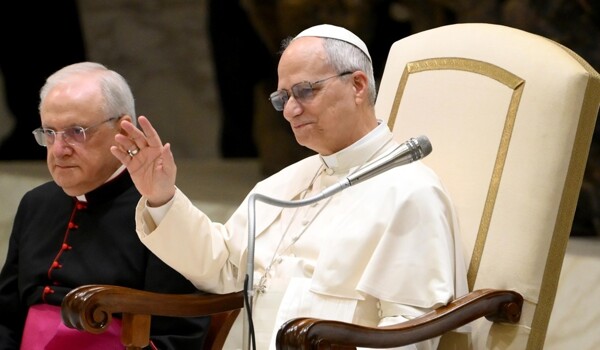
Now that Francis has died, the discussions of prophecies, analyses of possible successors, and many comments on the rituals and the Church itself return. The return to conservatism touched Pius XI, who died just before World War II. Pius VI was pope from 1775, so he faced the French Revolution, which he condemned, and died as a prisoner of the French. He also had the longest papacy (over 31 years) and was a staunch enemy of liberalism.
His successor was Leo XIII, the creator of Christian social doctrine, an effort at balance in response to the transformation the world was experiencing in his time (1879-1903). A century later, the institution fell into the hands of the Count of Tusculum, and for 150 years, the popes were part of the Theophylact family, as the original count was called. He is a monarch of which there are no longer any, who did not come to power as part of a dynasty, but through an election.
The papacy achieved great success by associating with Charlemagne and crowning him in 800. John Paul II (1978-2005) is the pope who lives during the time now called "neoliberalism," and along with Reagan and Thatcher, leads the global transformation that ended the Cold War. Two centuries of successful conclaves should not be underestimated. In 20 centuries, there have been good and bad times. Be very attentive, whether or not you are Catholic.