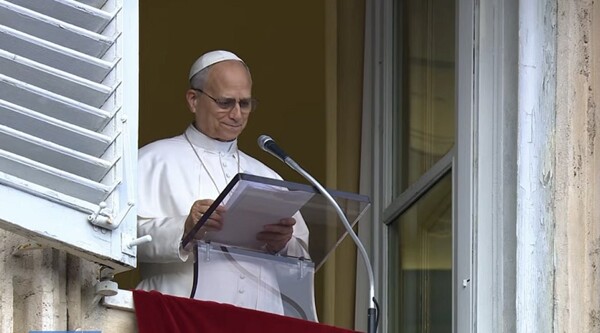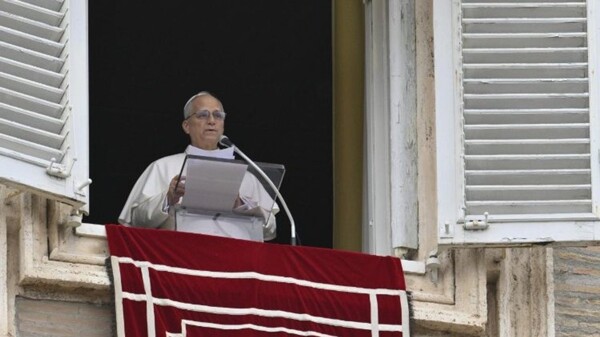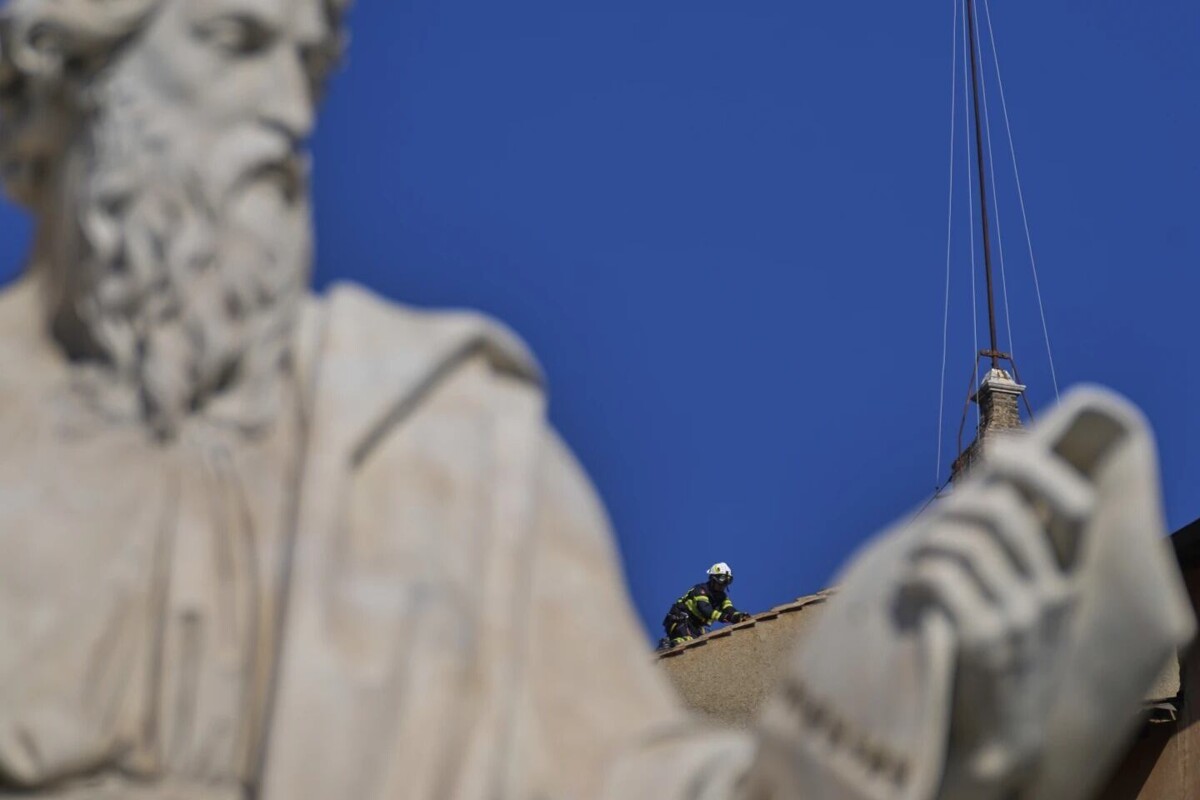
On April 21, Francisco, the first Latin American pope in history, passed away at the age of 88. In the Vatican, as the cardinals gathered to discuss the future of the Catholic Church and the profile of the new pope, the installation of the chimney above the Sistine Chapel marked the beginning of a new process for papal election.
In the meetings prior to the conclave, which involve all the cardinals, including those over 80 who cannot vote, crucial topics such as the Vatican's financial situation, future priorities, and challenges identified during Francisco's papacy are addressed.
Francisco was a controversial pope: while some admired him for his focus on the underprivileged, others criticized him for alleged ambiguities on moral and legal matters of the Church. Conservative sectors are looking for a leader who affirms traditional principles of Catholic doctrine and provides stability in the Vatican bureaucracy.
Cardinals like Beniamino Stella and Fernando Filoni, who do not have voting rights, have expressed divergent opinions regarding Francisco's reforms, such as the inclusion of women and laypeople in positions of responsibility at the Holy See. However, their influence on the younger voting cardinals is uncertain.
Preparations for the conclave, which will begin on May 7, continue with the installation of the chimney over the Sistine Chapel by the Vatican firefighters. After each round of voting, the ballots are burned in a special furnace; the white or black smoke that billows forth will announce to the world if a new pope has been elected.