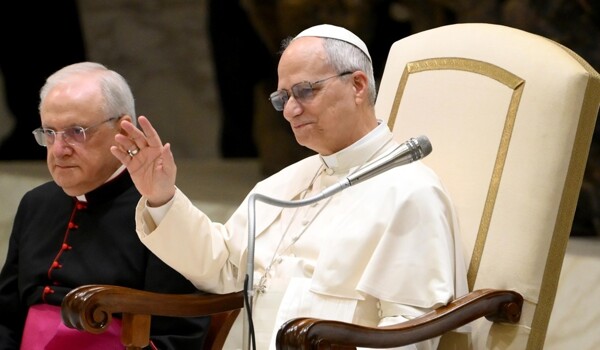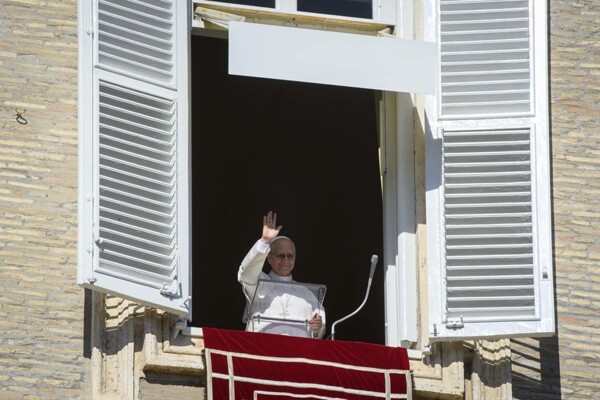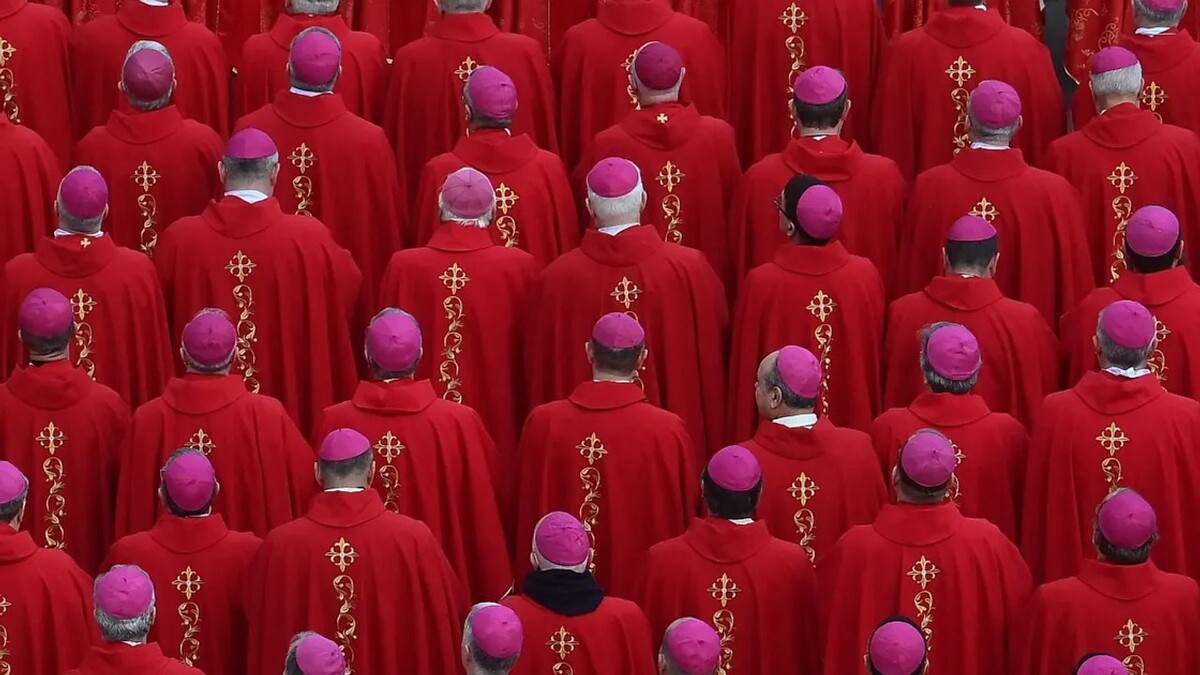
Journalist and doctor Nelson Castro analyzed the papal conclave that begins this Wednesday in the Vatican, describing it as one of the most significant of recent times. He emphasized that this event is not minor on the global agenda due to the seriousness of the current situation. He also mentioned that the next leader of the Catholic Church will have to be a politician in the best sense of the word, capable of facing current challenges and projecting a future.
Castro stressed that the new Pope cannot be limited to the traditional liturgical and symbolic role, but must assume leadership in an institution in crisis and in a world full of conflicts, inequalities, and distrust. According to him, the profile of the future pontiff must meet the demands of the present time and be a leader in a moment of immense challenges.
The analyst also addressed the loss of credibility that the Catholic Church faces, both in Latin America and in Europe, Africa, and other regions. He highlighted that the institution has significantly lost spiritual and social weight in these places. Castro mentioned the internal power struggle occurring in the Vatican, where there are cardinals with weight and influence in Latin America, recognizing the region's key role.
Additionally, he pointed out that the next Pope must respond to the needs of the current world, having an impact on international politics, human rights, inter-religious dialogue, and the daily lives of millions of people. Castro considered that the resignation of Benedict XVI was an act of realism, not of weakness, and reflects the tension between conservative and reformist sectors within the Church.