During the election process of the Pope in the Vatican, the ballots are handled precisely and in detail. The scrutineers are responsible for taking them out one by one from the urn and depositing them into another empty container. If the number of ballots does not match the number of voters, all must be burned and a second vote held.
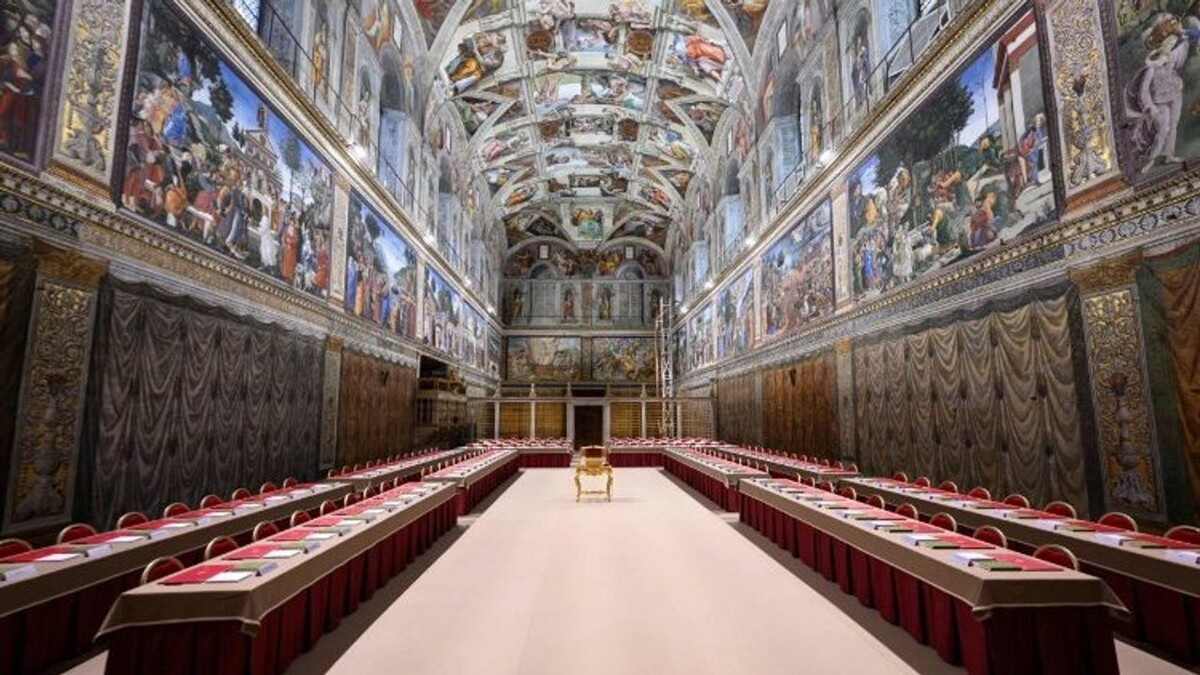
The three scrutineers begin the counting seated in front of the altar. The first reads the name of the elector on the ballot, the second checks the name, and the third reads it aloud so that everyone present can mark their vote on a special sheet. During the count, if they find ballots folded in a strange manner, they apply specific rules to determine the validity of the votes.
Once the ballots are counted, the votes are summed and recorded on a separate sheet. Then, the ballots are pinned with a needle at a specific point and tied with a thread for added security. Subsequently, the votes are burned and special stoves are used that indicate the validity of the process through color changes.
To elect the Roman Pontiff, at least two-thirds of the votes from the cardinal electors are needed. In case of no election, daily voting is conducted, with breaks for prayer and reflection. After a certain number of votes without results, new guidelines for the election are established.
If a second vote occurs, the ballots from both rounds are burned together at the end. The cardinal electors write the name of their choice on a rectangular ballot, and after voting, these are collected and counted meticulously. In case of illness of any cardinal elector, special measures are taken to ensure the transparency of the voting process.
In summary, the election process of the Pope in the Vatican is meticulous and rigorous, guided by strict rules aimed at ensuring the integrity and accuracy of the selection of the new leader of the Catholic Church.