The conclave to choose the successor of Francis has sparked an intense debate between a progressive and open agenda, emphasizing the inclusion of immigrants and the disadvantaged, and those seeking a return to a more rigid doctrine, excluding divorced individuals, people with diverse sexual preferences, and women. Among the 133 electors, geographically scattered and more aligned with a Church present in the peripheries and communities, false rumors and smear campaigns on social media about potential candidates are emerging.
Amid speculation and pre-conclave anxiety, dubious information about various cardinals is spreading. However, potential voters remain aloof from these rumors and seek to discern the future direction of the Church at a key moment in its history. Is a progressive approach like that of Francis necessary, or should there be a return to more conservative and solid values? These questions shape discussions in the General Congregations and in the search for consensus.
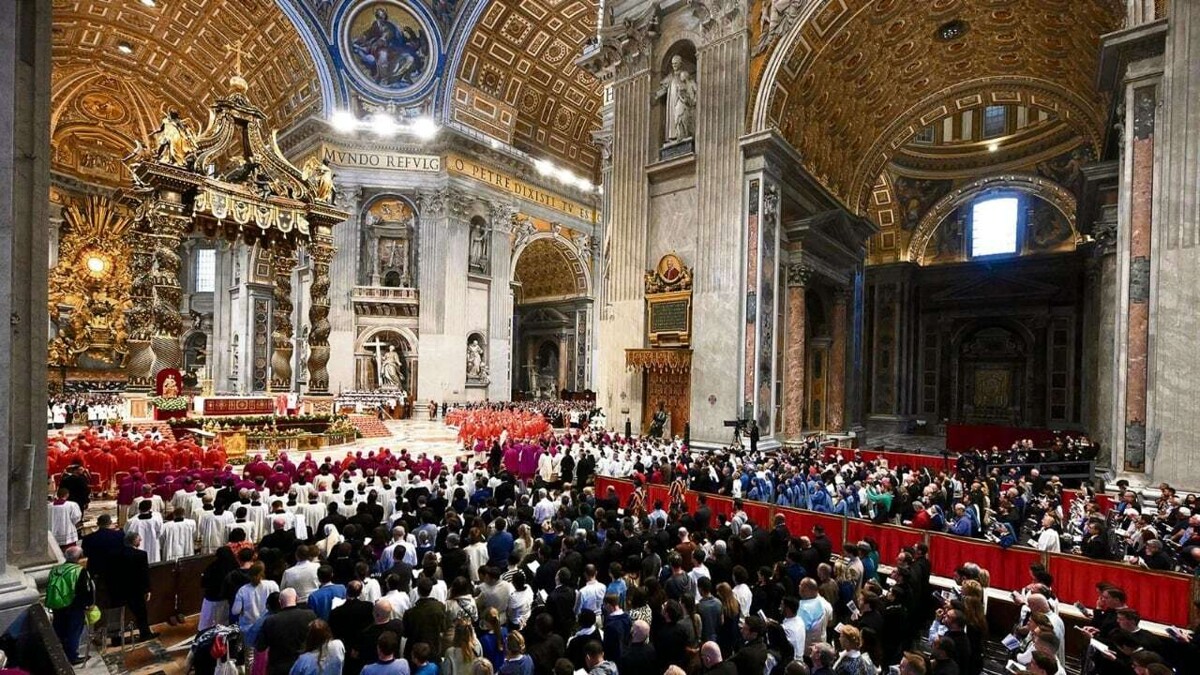
The start of the conclave, with its century-old protocol and precise rules to avoid manipulations, poses a challenge for the electors in a context of global polarization and conflicts. While the election of a modern, dialogical, and inclusive leader is anticipated, the signals and smoke that come from the Sistine Chapel will be key to understanding the outcome of this important election process.