The tradition of using smoke to announce the results of voting in the Vatican has been preserved despite technological advancements. Cyprien Viet, a Vatican specialist from the I-médias press agency, pointed out that this traditional practice generates emotion in the media and the crowds.
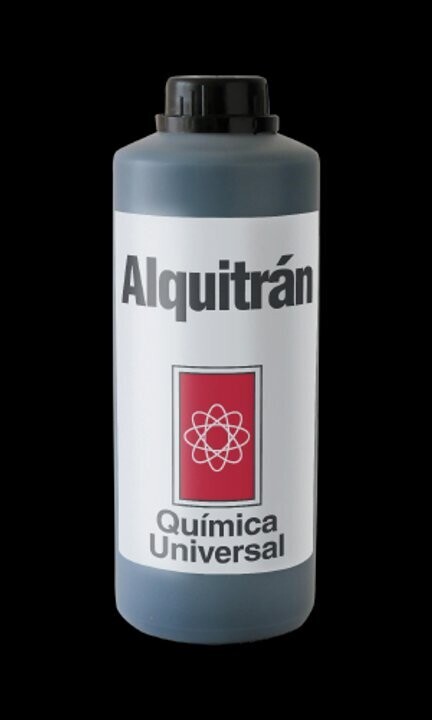
According to the strict protocol of the papal conclave, the camerlengo (currently the American Kevin Farrell) burns the voting ballots after counting them. Initially, black smoke was obtained by burning tar pitch, while wet straw was added for white smoke. However, this method proved unreliable, as black smoke often turned gray.
In 2013, the chemical composition of the smoke emitted during papal elections was revealed. Black smoke is made from a mixture of potassium perchlorate, anthracene, and sulfur, which produce large particles of soot. On the other hand, white smoke consists of potassium chlorate, lactose, and rosin, to generate a more volatile cloud.
Key components, such as potassium perchlorate and chlorate, anthracene, lactose, and rosin, are employed to ensure that the smoke is clearly white or black in each papal election. Although technology could facilitate communication of the result, the Vatican continues to work to keep this unique tradition alive in its papal election process.