The election of popes throughout history has varied significantly regarding the age of the candidates selected to occupy the position. While some pontiffs were chosen at a young age, others ascended to the papacy at advanced ages. This reflects different preferences and circumstances in various eras.
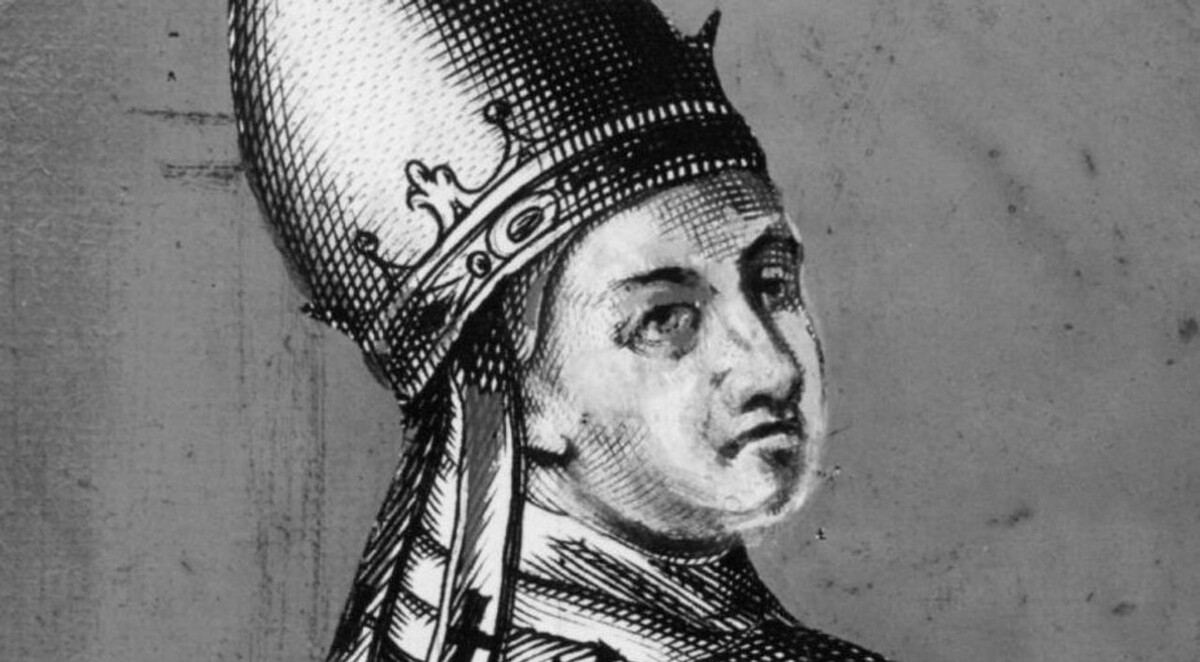
John XII was elected pope at the age of 18 in 955, during a period when imperial power had great influence over the Church. His papacy, characterized by controversies, lasted 9 years. On the other hand, Celestine III (1191) and Celestine V (1294) were elected at the age of 85, during times marked by crises and quests for spirituality. In the 21st century, Benedict XVI assumed the papacy in 2005 at the age of 78, followed by Francis in 2013 at the age of 76.
The case of these popes reflects the variety of ages with which they have assumed the papacy throughout history. While John XII began his pontificate at only 18 years old, Celestine III and Celestine V accessed the position at 85 years old, representing extremes in the age of election.
The difference in the age of popes elected throughout history is associated with specific historical contexts. While the Church values experience, it also seeks leaders capable of combining tradition and modernity in their pontificate.
On the other hand, the Church officially recognizes 267 popes, from Saint Peter to Leo XIV. The duration of pontificates has varied, with some popes lasting only days and others marking entire eras. Pontificates like that of Pius IX (31 years, 7 months, and 22 days) or John Paul II (26 years, 5 months, and 18 days) stand out for their lengthy duration.
The average age of popes elected from the 16th century to the present is between 63 and 65 years. In earlier times, factors such as the influence of aristocratic families or political conflicts could lead to very young figures ascending to the papal throne, reflecting the complexity of the election processes throughout the centuries.